What to look for before you fall in love with a photo.
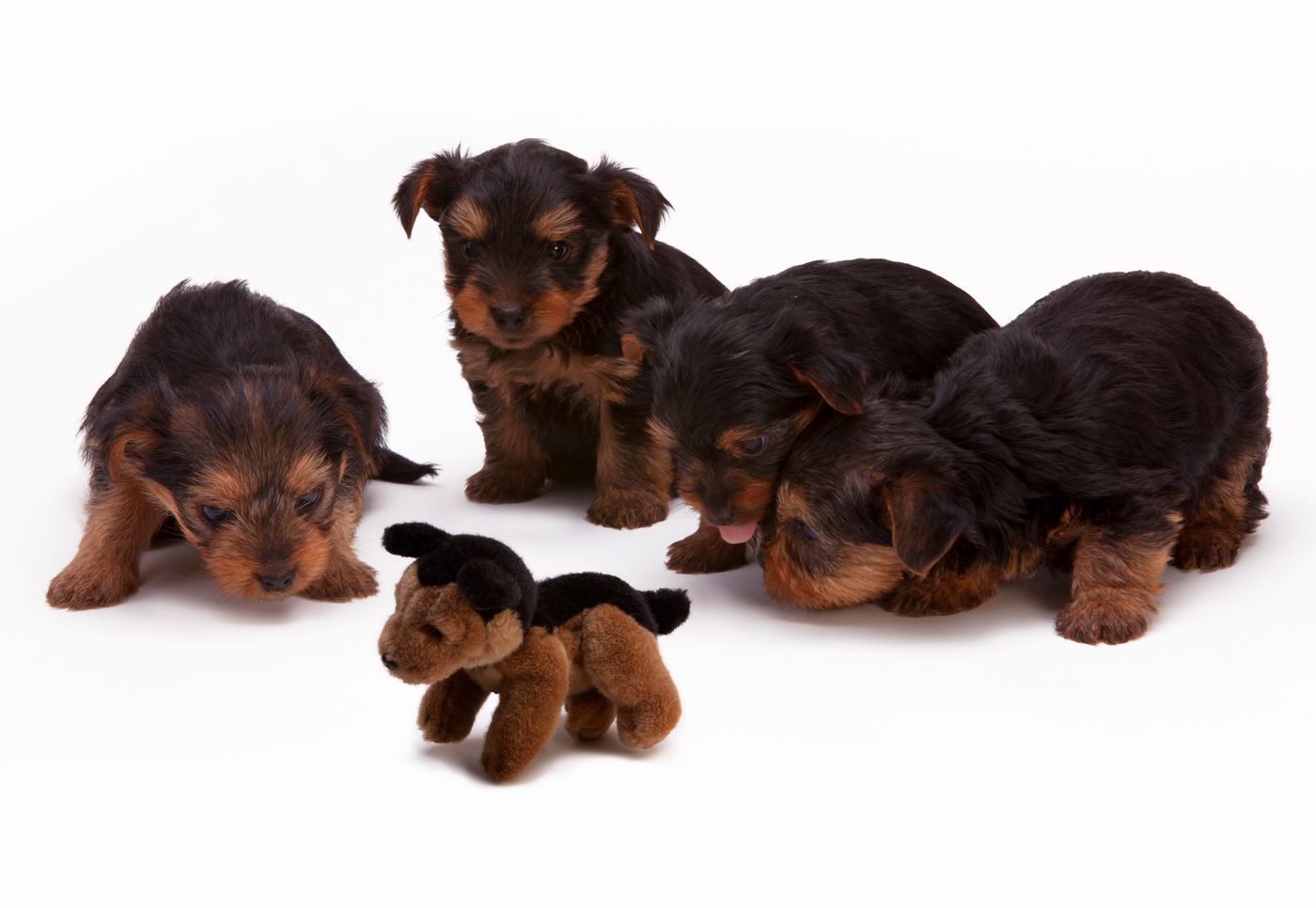
A healthy, well-raised Yorkie puppy looks a lot like any other adorable puppy in a photo. The difference shows up in the paperwork, the parents, and the answers you get when you ask questions. Here is what actually separates a good puppy from a risky one.
What to check
Five things that matter
Health testing on both parents
Ask for proof of a patella evaluation (checks for luxating patella, a common issue in small breeds), a liver-shunt bile-acid test, an eye exam, and a cardiac check on the mother and father. Also ask about collapsing trachea and dental crowding, both common Yorkie concerns. A reputable breeder will hand this over without hesitation.
Age at homecoming, 8 to 12 weeks
Yorkies benefit from extra time with their mother and littermates, and toy breeds in particular need those weeks to stabilize blood sugar and body weight. Walk away from anyone offering a puppy younger than 8 weeks.
A real, reputable breeder
Look for someone who health tests, limits litters, and can answer detailed questions about the parents' temperament and history. A reputable breeder cares as much about placing the puppy right as about the sale.
A written health guarantee
This should cover genetic conditions for a defined period, typically one to two years, and spell out what happens if a covered issue shows up. Read it before you pay a deposit, not after.
A puppy raised in the home
Puppies raised underfoot in a family living room, exposed to normal household noise and handling, socialize better than puppies raised in an isolated kennel. Ask to video call the puppy in its everyday environment.
What to avoid
Red flags worth walking away from
"Teacup" or "micro" Yorkies
Extreme undersized Yorkies bred below the breed standard carry a much higher risk of hypoglycemia, fragile bones, organ problems, and a shorter lifespan. This is a marketing term, not a real variety, and it is a serious red flag.
No health testing records, or vague answers about them
If a breeder cannot produce actual documents, patella, liver-shunt, eye, and cardiac results are not optional extras.
Multiple litters always available
A small, careful breeding program has occasional litters, not a constant rotating inventory.
Payment only by wire transfer or gift card, no contract
A legitimate breeder uses a written sales contract and standard payment methods.
Refusal to let you video call or visit
Reasonable biosecurity limits on in-person visits are normal, but a flat refusal to even video call is a warning sign.
What Yorkies typically cost
Expect a range of roughly $1,500 to $3,500 for a pet-quality puppy from health-tested lines, sometimes higher for rare coloring or show-quality dogs. A price well below that range, paired with little or no health testing, or a "teacup" label, usually means corners were cut somewhere.
See puppies raised the right way
Every puppy featured comes from health-tested parents with paperwork to match.